


Population of the Emirates in the United Arab Emirates (UAE)
The UAE's population reached 10,678,556 in 2023. See how residents are spread across the seven emirates, plus growth trends and key demographics.
Highlights
- The UAE's total population reached 10,678,556 in 2023, according to the FCSC.
- Dubai is the most populous emirate with about 4,177,059 residents, roughly 39% of the total.
- Expatriates make up about 88.5% of the population; Emirati nationals about 11.5%.
- Roughly 85% of residents live in Dubai, Abu Dhabi and Sharjah.
🌍 Overview
The United Arab Emirates (UAE) has experienced one of the fastest population growth rates in the Middle East due to its economic diversification, urban expansion, and influx of expatriate workers.
As of 2023, the UAE’s total population reached 10,678,556, according to the Federal Competitiveness and Statistics Centre (FCSC).
Roughly 85% of residents live in Dubai, Abu Dhabi, and Sharjah, making these three emirates the socio-economic heart of the federation.
📊 Population by Emirate (2023–2025 Estimates)
| Emirate | Population (Approx.) | % of UAE Population | Capital / Key City | Key Characteristics |
|---|---|---|---|---|
| Dubai | 4,177,059 | ~39% | Dubai | Largest population; global trade & tourism hub |
| Abu Dhabi | 3,200,000 | ~30% | Abu Dhabi | Political capital; oil, finance, education |
| Sharjah | 1,700,000 | ~16% | Sharjah | Cultural and industrial center |
| Ajman | 540,000 | ~5% | Ajman | Smallest area; residential growth |
| Ras Al Khaimah | 450,000 | ~4% | Ras Al Khaimah | Growing tourism & manufacturing base |
| Fujairah | 317,000 | ~3% | Fujairah | Eastern coast; port & logistics |
| Umm Al Quwain | 72,000 | <1% | Umm Al Quwain | Least populated; fishing & heritage focus |
| Total (UAE) | ≈10.7 million | 100% | — | — |
Source: UAE Government Portal, Wikipedia, World Population Review, WorldAtlas (2025).
📈 Population Growth Over Time
Trend:
-
Average annual growth: ~2% (driven by migration and labor demand).
-
Expatriate population: ~88.5% of total.
-
Emirati nationals: ~11.5%.
🧑🤝🧑 Demographic Composition
| Category | Statistic | Source / Year |
|---|---|---|
| Total Population | 10.68 M | FCSC 2023 |
| Emirati Nationals | ~1.23 M | UAE Government Portal |
| Expatriates | ~9.45 M (≈88.5%) | World Population Review 2025 |
| Male-to-Female Ratio | 2.2 : 1 overall | UN 2024 |
| Median Age | 33.5 years | WorldAtlas 2025 |
| Urbanization Rate | 86% | Britannica 2024 |
🧭 Regional Highlights
1. Dubai
-
Fastest-growing emirate by population and economy.
-
Over 200 nationalities reside here.
-
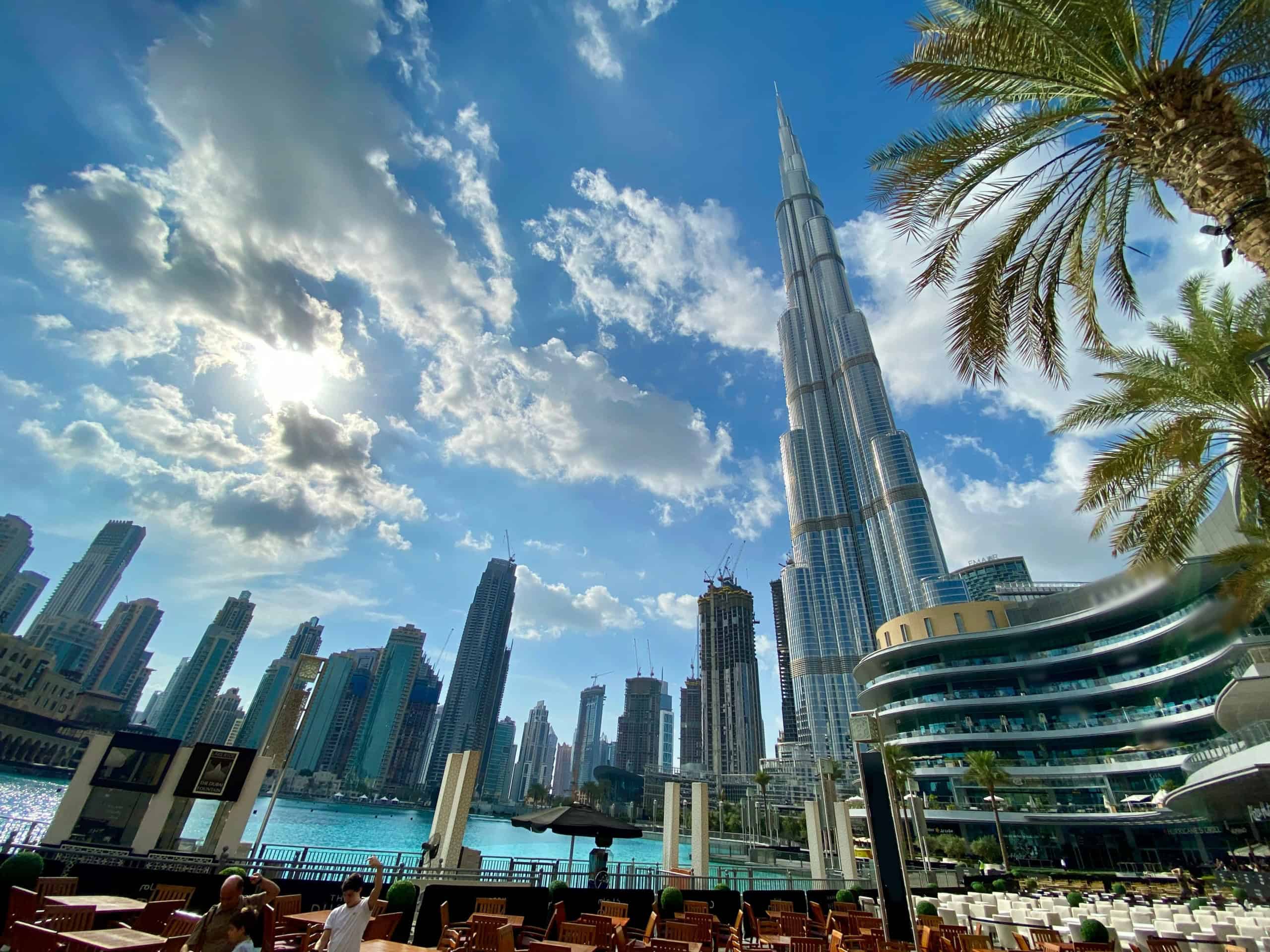
Hosts Dubai Expo City, Burj Khalifa, Dubai Mall, and Jebel Ali Port.
2. Abu Dhabi
-
Largest emirate by area; political and administrative capital.
-
Focused on energy diversification (Masdar City, ADNOC, Etihad Airways).
-
Population heavily concentrated in Abu Dhabi city and Al Ain.
3. Sharjah
-
UNESCO Cultural Capital of the Arab World (1998).
-
Family-oriented city with strong education and industrial base.
4. Northern Emirates (Ajman, RAK, Fujairah, UAQ)
-
Smaller populations, but rapidly expanding logistics and tourism.
-
Fujairah is the UAE’s only emirate with an east-coast port on the Gulf of Oman.
Q: What is the total population of the UAE in 2025?
A: As of 2025, the UAE’s population is estimated at around 10.9 million residents, according to World Population Review.
Q: Which emirate has the highest population?
A: Dubai remains the most populous emirate with over 4.1 million residents (≈ 39% of total).
Q: How many Emiratis live in the UAE?
A: Emirati nationals represent approximately 11–12% of the population—about 1.2 million people.
Q: Why does the UAE have more men than women?
A: Due to the large number of male expatriate workers in construction, logistics, and service industries, the male-to-female ratio is about 2.2 : 1, one of the world’s highest.
💡 Bottom Line
-
The UAE’s population reached 10.7 million (2023) and continues steady growth.
-
Dubai and Abu Dhabi together account for two-thirds of all residents.
-
The UAE is one of the world’s most urbanized, multicultural, and expatriate-dominated nations.
-
Continued economic diversification, infrastructure expansion, and regional connectivity are expected to sustain growth through 2030.
📚 Sources
-
Federal Competitiveness and Statistics Centre (FCSC) – UAE Population Data 2023 → uae.gov.ae
-
Wikipedia – Demographics of the United Arab Emirates → en.wikipedia.org/wiki/Demographics_of_the_United_Arab_Emirates
-
World Population Review (2025) – United Arab Emirates Population 2025 → worldpopulationreview.com
-
WorldAtlas (2025) – Seven Emirates of the UAE → worldatlas.com
-
Britannica (2024) – Economy and Urbanization of the UAE → britannica.com
-
UAE Official Portal (2025) – Population Fact Sheet → u.ae
Frequently asked questions
What is the population of the UAE in 2025?
The UAE's population is estimated at around 10.9 million in 2025, according to World Population Review. The FCSC recorded 10,678,556 residents in 2023.
Which emirate has the largest population?
Dubai is the most populous emirate, with over 4.1 million residents, about 39% of the UAE total. Abu Dhabi follows with around 3.2 million.
Why does the UAE have more men than women?
Large numbers of male expatriate workers in construction, logistics and services push the male-to-female ratio to about 2.2 to 1. That is one of the highest ratios in the world.
Spotted something out of date? Tell us and we will fix it.